
The Fifth Session of the DCA Book Talks Explored Islam’s Place in World History
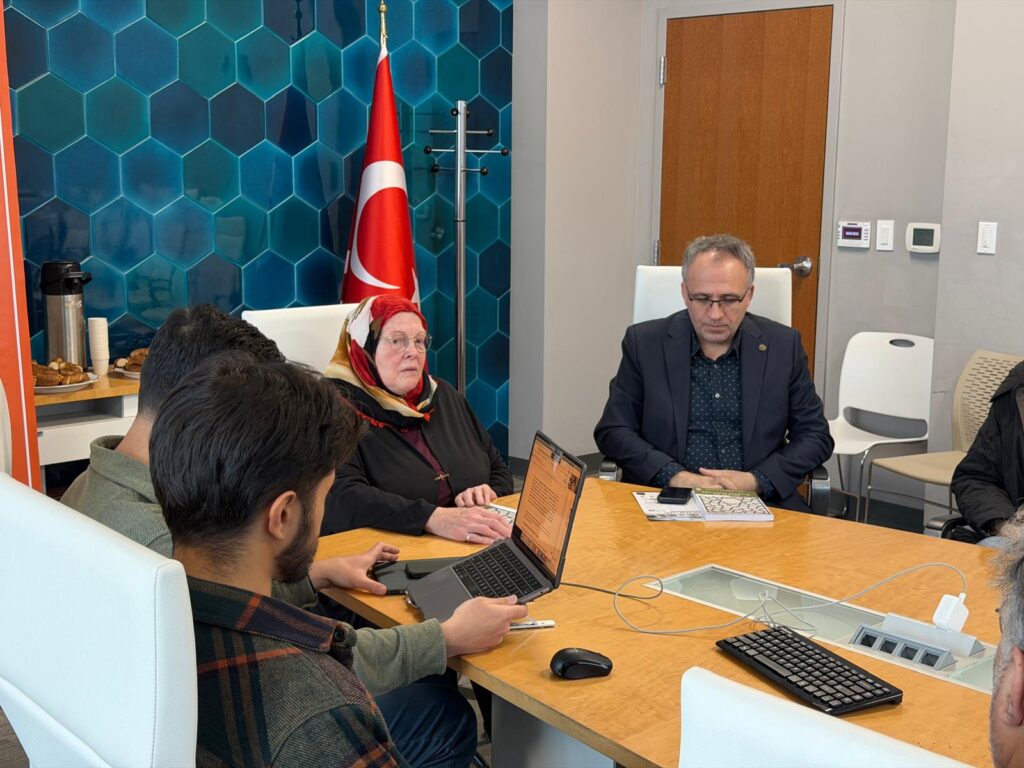
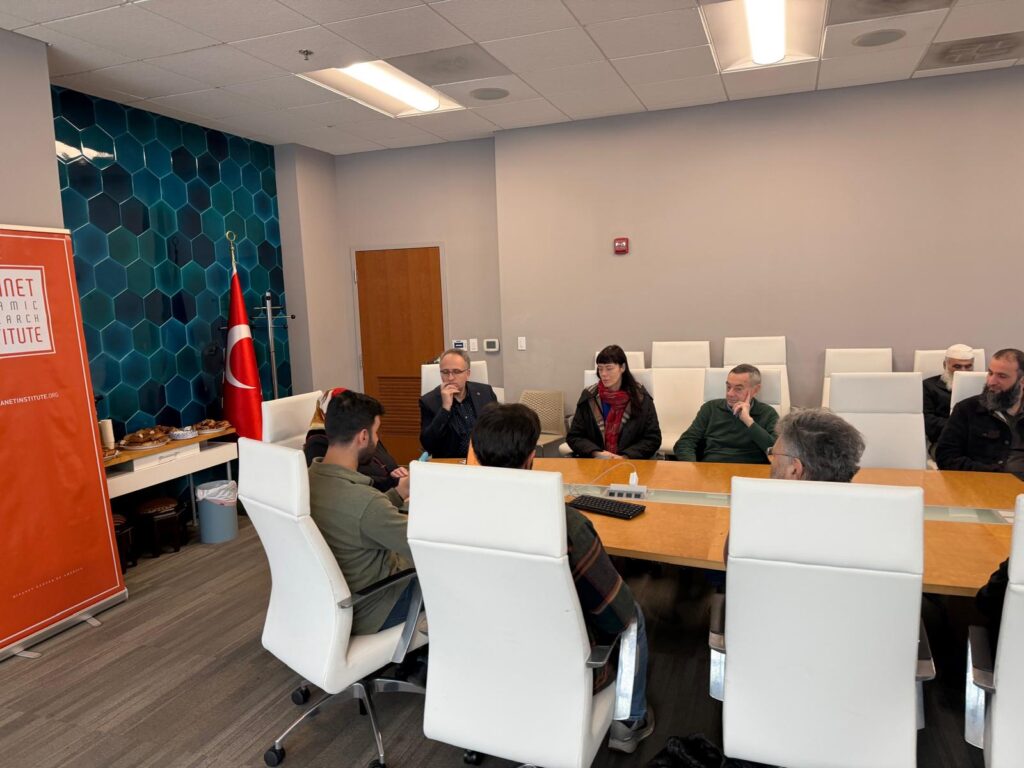
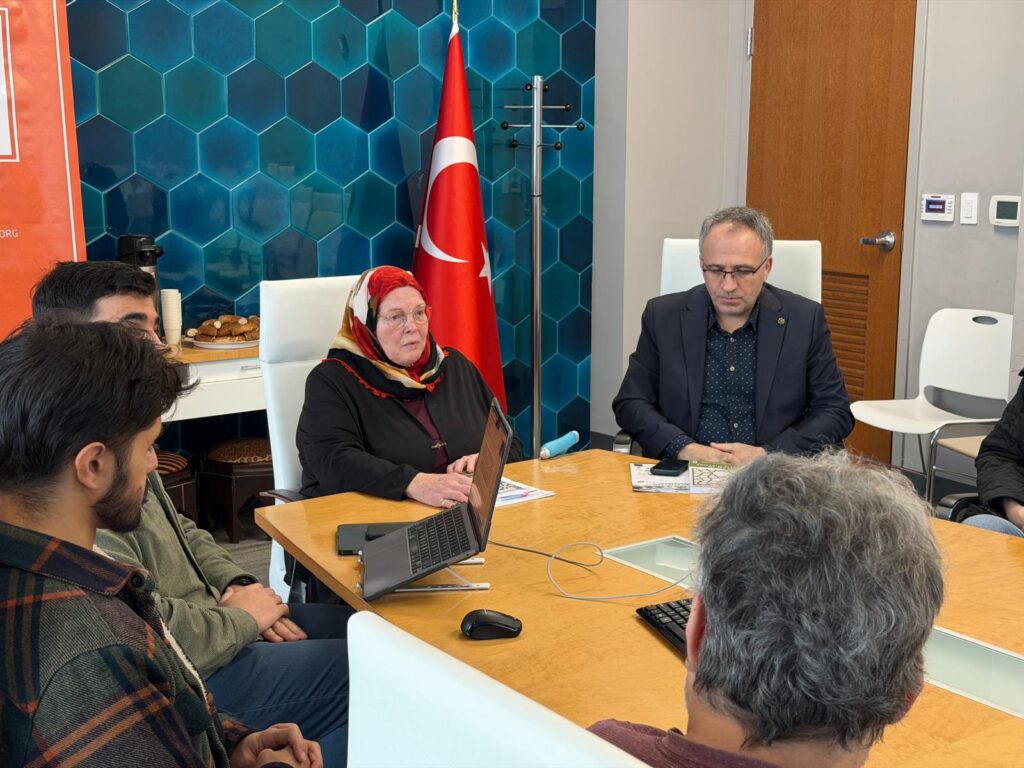
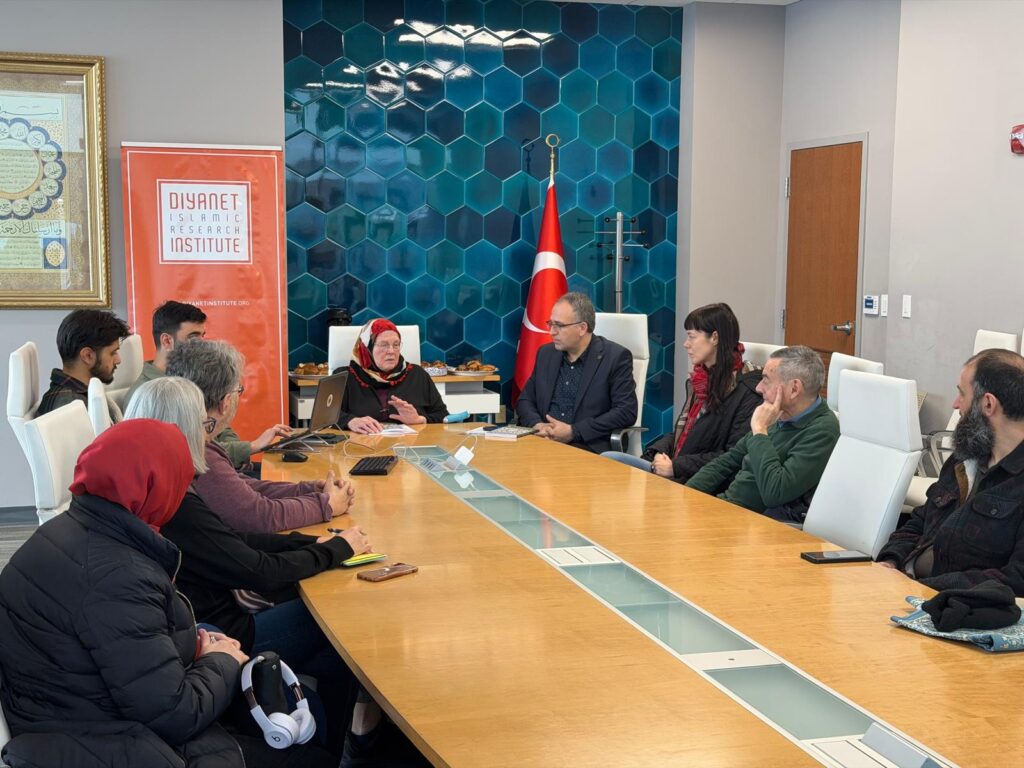
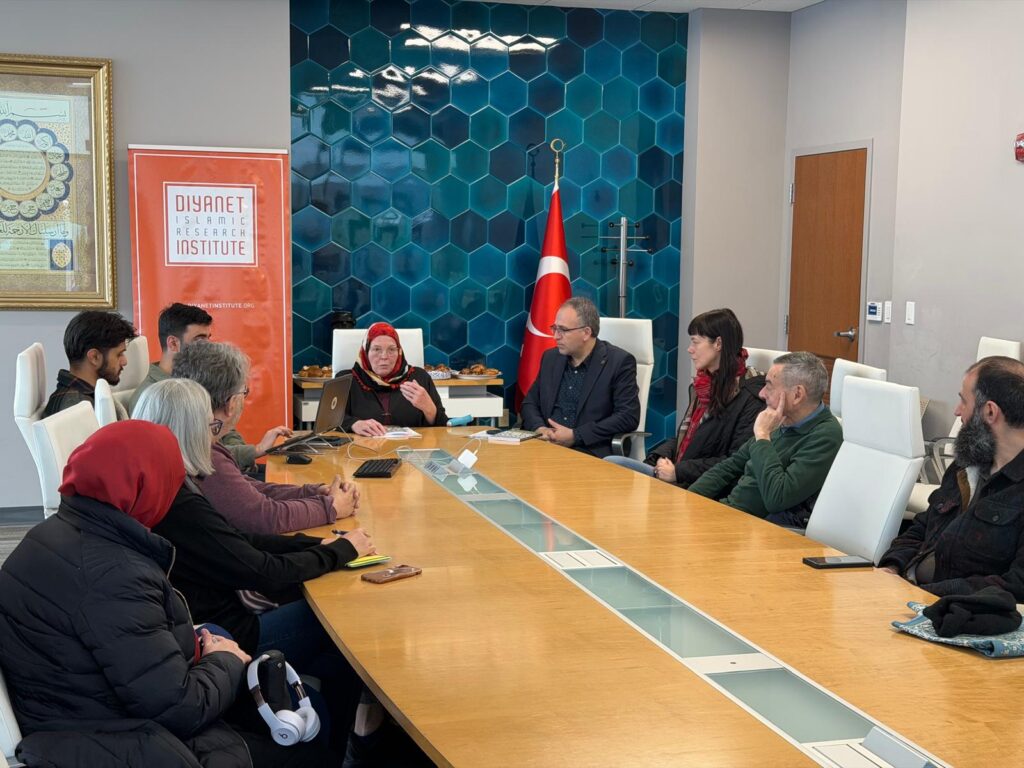
On Sunday, February 15, 2026, the Diyanet Center of America hosted the fifth session of its DCA Book Talks series, featuring a discussion on Islam in World History with its authors, Imam Tom Facchine and Dr. Susan Douglass.
Assoc. Prof. Fatih Kanca, Chair of the Advisory Board, also joined the session. The program was moderated by Yılmaz Acar, Research Fellow at the Diyanet Islamic Research Institute (DIRI), and brought together community members, students, and scholars for a thoughtful conversation on Islam’s place in global history.
Part of a broader series on world civilizations, Islam in World History situates Islam within its Abrahamic and global contexts, tracing fourteen centuries of Muslim societies across Afro-Eurasia. The authors emphasized the diversity of Muslim communities and the interconnected nature of Islamic civilization, while addressing common misconceptions that often shape public discourse.
A Civilizational Perspective
A central theme of the discussion was the distinction between "Islamic" and "Islamicate," highlighting the broader cultural and civilizational contributions associated with Muslim societies, including those of non-Muslims. The speakers also addressed methodological questions in writing Islamic history, emphasizing the importance of recognizing both divine revelation and human agency in historical narratives.
Challenging the long-standing "spread by the sword" thesis, the authors referenced scholarly research demonstrating that conversion to Islam was typically gradual and non-coercive. They highlighted the pivotal role of the ulama and decentralized networks of knowledge in shaping Islamic civilization across regions and generations.
The conversation further explored the impact of colonialism and the rise of nation-states on Islamic knowledge production, particularly the erosion of independent waqf institutions and the centralization of religious scholarship under state authority. At the same time, the speakers expressed hope in renewed forms of scholarship and solidarity emerging through global connectivity and independent educational initiatives, especially in diaspora communities.
The program concluded with a lively Q&A session, where participants engaged questions on spirituality in academia, the concept of tajdīd (renewal), and the future of Islamic intellectual life.
In his closing remarks, Assoc. Prof. Fatih Kanca emphasized that the DCA Book Talks series continues to serve as a platform for meaningful scholarly engagement, connecting academic research with the wider community and fostering a deeper, more grounded understanding of Islam and its rich historical legacy.